Salt spray test has been recognized for ranking the performance levels of coating systems. Yet, there is little correlation between results from standard salt spray tests and real-life anti-corrosion performance. In particular, it will not be able to give accurate assessment for galvanized coating because the continual wetness during the salt spray test does not allow this passive oxide and carbonate layer to develop, and this adherent layer protects the zinc from corrosion meanwhile zinc protects the substrate steel from erosion. When coated material is evaluated by the salt spray test, but it does not have ultraviolet light which will cause deterioration for paints and primers. Therefore, using salt spray test results to guide the selection of protective coatings for steel is quite a serious problem in the engineering field. Despite the well understood limitations of the test, many project designers use the salt spray test result as a guideline to choose their favorite coatings. For decades, this test has generated misleading information about coating performance and its results still feature prominently in the marketing materials of products that yield more favorable outcomes than in practical world. This article is meant for giving some insight into the limitations of this type of accelerated testing.
What is salt spray test?

There are two types of salt spray tests in common use, neutral and acetic acid, but neither of these does what we want in a test, which is to replicate nature on an accelerated time basis. It's also called salt fog test which is standardized and popular corrosion test solution, and it's used to check corrosion resistance of materials and surface coatings. Usually, the materials to be tested are metallic and finished with a surface coating which is intended to provide a degree of corrosion protection to the underlying metal. It is an accelerated corrosion test that produces a corrosive attack to coated samples for assessing the effectiveness of the protective coating. The appearance of corrosion is evaluated after a certain period of time, and test duration depends on the corrosion resistance of the coating. Generally, the more corrosion resistant the coating is, the longer the period of testing before the appearance of corrosion or rust. The salt spray test is one of the most widespread and long-established corrosion tests, and ASTM B117 was the first internationally recognized standard which was published in 1939. The other important relevant standards are ISO 9227, JIS Z 2371 and ASTM G85.
Let's take a look at the testing process first. The salt spray procedure involves the spraying of a salt solution with 5 percent salt (sodium chloride) onto the samples, and the test is done inside a temperature-controlled chamber. The temperature within the chamber is maintained at a constant level, and the samples are constantly subject to the saltwater spray, and the testing procedure of ASTM B117 is listed below:
√ Placing wooden in the chamber
√ Stavite uzorke na drvenu rešetku pod malim kutom nagiba
√ 5 posto NaCl u vodi iz slavine koja se pumpa iz rezervoara u mlaznice za prskanje
√ Otopina pomiješana s vlažnim komprimiranim zrakom na mlaznicama
√ Komprimirani zrak raspršuje otopinu NaCl u maglu na mlaznicama
√ Grijači održavaju temperaturu u ormaru od 95 stupnjeva F
√ Trajanje ispitivanja može biti od 24 sata do 1000 sati, a uzorci se često rotiraju kako bi svi uzorci bili što ravnomjernije izloženi magli od raspršene soli.
Kada se ispitivanje slanom sprejom koristi za ispitivanje čeličnog lima -obloženog metalom, učinak korozije se ocjenjuje na sljedeće načine:
√ br. sati dok se hrđanje čelika ne pojavi prvi put
√ br. sati dok 5 posto površine ne zahrđa
√ Nr. of hours until 10 percent of the surface area is rusted
Procjena učinka predobrada boje, temeljnih premaza ili završnih premaza mjeri se prema sljedećim kriterijima:
√ Mjerenje širine podrezivanja boje bilo duž ucrtane linije kroz boju ili na posječenom rubu nakon 250, 500, 750 sati izlaganja u ispitnoj komori
√ Mjerenje količine mjehura boje koja se pojavila na površinama obojene čelične ploče u 250, 500, 750 sati.
Why is salt spray test misleading?
Kao što ste možda svjesni, test slanom sprejom (B117) ne uključuje izlaganje ultraljubičastom svjetlu, blijeđenje boje i kredanje. Iako G85 ima nekoliko modifikacija koje uključuju cikličke dodatke kiseline i SO2, ali još uvijek ne može korelirati s vanjskim performansama u atmosferi klorida. Tri su najvažnija razloga zašto test slanog spreja nije u korelaciji s većinom stvarnih-svjetskih uvjeta izloženosti.
√ The surface of the test samples is constantly wet, which does not happen in a real environment.
√ The chamber temperature is constantly at 95 degree F, which increases water, oxygen and ion transport compared to the real atmosphere.
√ The chloride content is at a very high level of 5 percent , preventing zinc from forming a passive film.
Naravno, nije pošteno reći da slani sprej nema nikakvu vrijednost jer pruža kvantitativnu analizu anti-korozijskih učinaka, te se stoga ovaj test naširoko koristi u industriji premaza u prahu i lakiranju za provjeru premaza kvaliteta materijala. Na primjer, ako je normalna izvedba u testu slanog spreja 750 sati prije početka korozije, to je brz način da se utvrdi postoje li veliki problemi u proizvodnji koji utječu na kvalitetu proizvoda. Testom se možda neće zaključiti da je kvaliteta proizvoda prihvatljiva, ali ako je izvedba u ovom testu ispod standarda, izvedba na otvorenom možda neće biti tako dobra kao što se očekivalo. Nije iznenađujuće, ISO 9227 preporučuje da su ispitivanja slanom sprejom prikladna samo kao testovi kontrole kvalitete.
In short, salt spray test is not an accurate way of evaluation of corrosion resistance primarily because the salt spray destroys the mechanism that galvanized finish protects the steel by providing a barrier, and this barrier is also an important electrolytic protection. Due to this reason, the test result might lead to a false conclusion on how the galvanized finish will perform, which renders the test meaningless. No wonder, this test is now largely abandoned even by the automotive industry.
Nažalost, ovaj test je još uvijek prilično popularan. Unatoč tome što ISO 9227 jasno kaže da "rijetko postoji izravna veza između otpornosti na djelovanje slanog spreja i otpornosti na koroziju u drugim medijima, jer nekoliko čimbenika koji utječu na napredak korozije, kao što je stvaranje zaštitnih filmova, uvelike varira s nastalim uvjetima." Ako dizajner projekta zna što test slanog spreja zapravo znači, tada može razumjeti njegova ograničenja i razumno upotrijebiti rezultate.
Što uzrokuje koroziju u stvarnom okruženju?
The most common metallic corrosion is atmospheric. If metals like steel, copper, magnesium and aluminum are exposed to the atmosphere, they react with free-flowing air and moisture to develop oxides. The atmospheric corrosion depends on five main factors:
√ Temperatura
√ Vlažnost
√ Kiša
√ Sumporov dioksid, uglavnom nastaje koncentracijom onečišćenja u zraku
√ Air salinity.
Niti jedan od ovih čimbenika ne može se izdvojiti kao glavni uzročnik korozije. Na ovim metalima provedena su opsežna istraživanja i jasno je procijenjena predvidljiva stopa korozije za svaki. Opće stope korozije ugljičnog čelika u sljedećim mikro{0}}okolištima mogu uvelike premašiti te stope korozije.
√ U tlu, čelik je podvrgnut nizu korozivnih sila koje su sasvim različite od onih u uvjetima atmosferske izloženosti. Samo u Sjevernoj Americi postoji više od 200 različitih vrsta tla, a o stopi korozije odlučuju četiri glavna čimbenika: temperatura tla, sadržaj vlage, razina pH i kloridi. Ako bilo što od navedenog izostane, reakcija korozije će prestati ili će se odvijati vrlo sporo. Čelik brzo korodira u kiselim sredinama i polako ili nikako kako se alkalnost povećava. Stopa korozije čelika u tlu može varirati od manje od 0,2 mikrona godišnje u povoljnim uvjetima do 20 mikrona godišnje ili više u vrlo agresivnim tlima.
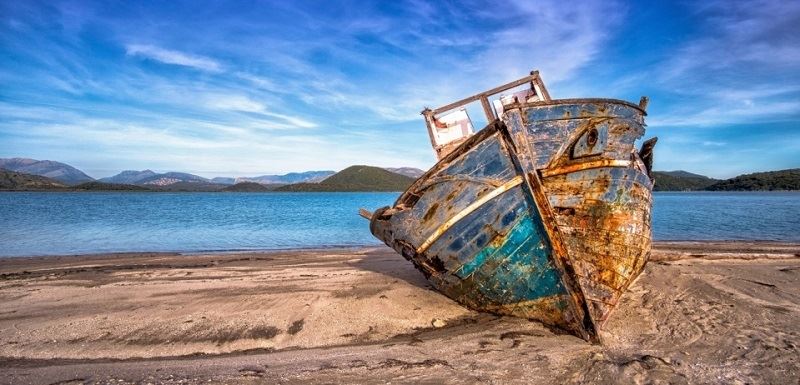
√ Marine or water, a less common environment for metal is submerged in or exposed to water. Moisture is highly corrosive to most metals including steel, aluminum, and zinc. There are many different types of water (pure water, natural fresh water, drinking water, and seawater, and each has different mechanisms that determine the corrosion rate. The parameters that affect corrosion of metals in water include pH level, oxygen content, water temperature, agitation, the presence of inhibitors, and tide conditions. Onshore areas of marine corrosion include docks, harbors, naval yards, where sacrificial anodes providing cathodic protection may be employed, as well as protective coatings such as marine paints and galvanization. Offshore oil and gas platforms are exposed to particularly aggressive corrosion from sea salt spray and immersion.

Above ground,there are five important factors that are essential to atmospheric corrosion: moisture (dew condensation), temperature, humidity, aerosol particle deposition and pollutants. For instance, every 50 degree F (10 degree ) increase in the temperature can double corrosion activity. Another interesting phenomenon is that salt-rich environment and aerosols tend to have high levels of humidity.
Razumijevanje atmosferske korozije ključno je jer je ova vrsta oštećenja najčešća među različitim vrstama oštećenja od korozije i utječe na vanjske i unutarnje instalacije kao što su komunalne,infrastrukture, projekti solarne energije, Telekom projekti, poljoprivredni projekti, vozila,konstrukcija pristaništai stambenih objekata.